
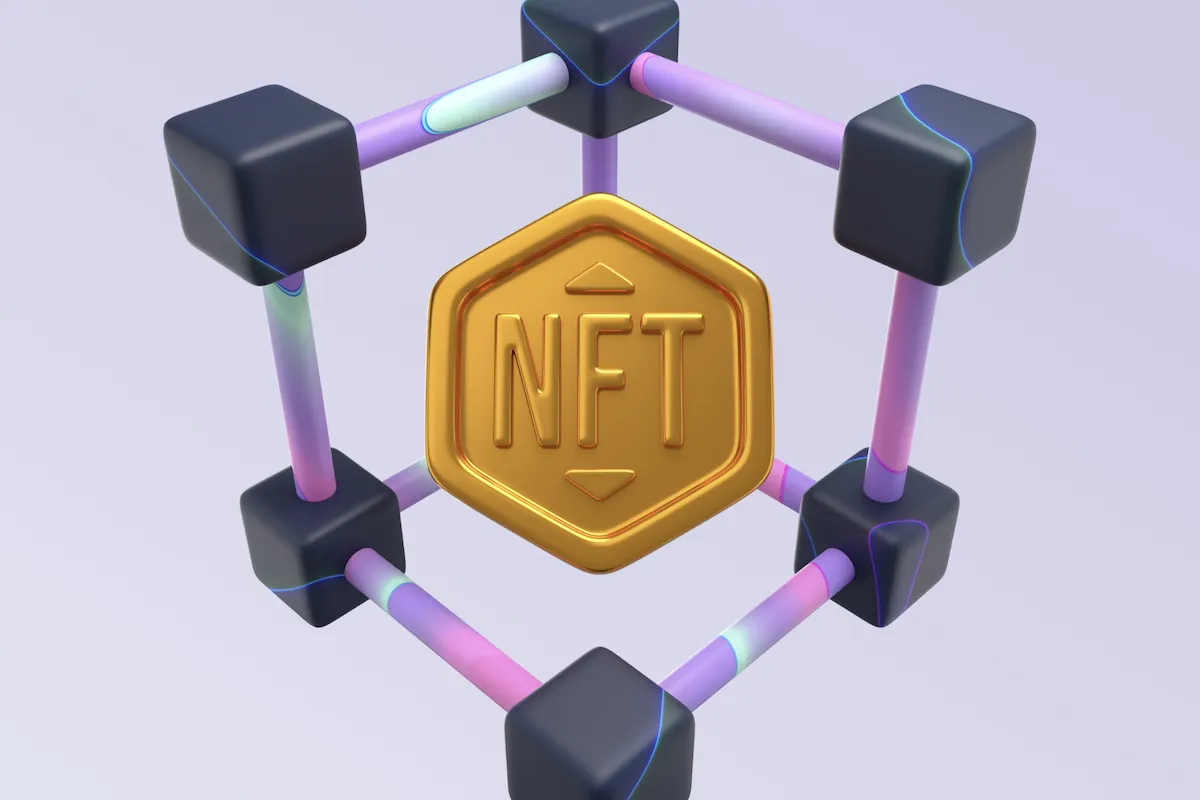
The digital world is constantly evolving and with it new forms of creativity. What was once inaccessible in the real world can now be created and viewed in digital form. And at the heart of this digital revolution is one exciting word: NFT.
It’s a simple acronym that hides a powerful concept. NFT stands for ‘non-fungible token’ and is essentially a unique digital asset that cannot be copied or counterfeited.
It exists as a unique record in blockchain technology and makes it possible to own and trade digital objects that have no analogues in the real world.
NFT technology has become a real breakthrough in the world of virtual art. Previously, it was difficult to imagine that digital paintings, photos, music or videos could have unique value.
But thanks to NFTs, creative works have become as valuable as works of art in the real world. The authorship and authenticity of the works are guaranteed by blockchain technology, and ownership of digital assets has become simple and accessible.
Decentralization and digital uniqueness
Decentralization plays a key role in the NFT concept.
Unlike traditional assets like money or cryptocurrencies, which are stored and controlled by centralized institutions (like banks), NFTs are created and stored directly on the blockchain. This gives users full control over their digital assets and does not depend on intermediaries or third parties.
Thanks to decentralization, NFTs provide a more transparent and secure exchange system.
However, the main value of NFTs lies in their digital uniqueness. Each NFT has a unique identifier that guarantees its authenticity and uniqueness. This allows owners to create and trade unique digital items such as digital art, collectibles, virtual land and more. Like unique paintings or collectibles in the real world, NFTs open up new possibilities for digital ownership and cultural heritage.
The application of NFTs spans several domains. Culturally, they offer artists and content creators a new way to generate income and distribute their creative works. In the gaming industry, NFTs are used to create unique characters, items and virtual worlds in which users can play and interact. Other uses of NFTs include virtual real estate ownership, tokenization of real assets, and creating digital collections and emotional engagement.
Decentralization provides independence and security for NFT owners.
Digital uniqueness allows you to create and trade unique digital assets.
NFTs are used in a variety of areas, including culture, gaming and asset ownership.
Looking for an exciting way to experience online entertainment? Top games at Casino Click offering exactly that.
Blockchain technology and digital information
Essentially simple yet powerful, blockchain has found its application in several areas of life. It has become a way to ensure decentralized storage and transfer of digital information. This technology allows people to use the network without intermediaries, which simplifies the process of exchanging digital assets and reduces the associated costs and time.
One of the most notable examples of blockchain applications is non-fungible tokens, or NFTs.
Such tokens are created based on blockchain and are used for the unique identification and sale of digital assets such as art, music, video, animation and much more.