
Close Menu
  • Instructions
  • News
    • DeFi
    • Smart Contract
    • Markets
    • Web3
    • Adoption
    • Memecoins
    • Analysis
    • Mining
    • Scams
    • Security
  • Education
    • Learn
    • Wallets & Exchange
  • Documentaries
  • Videos
    • Alessio Rastani
    • Altcoin Buzz
    • Coin Bureau
    • Dapp University
    • DataDash
    • Digital asset News
    • EllioTrades Crypto
    • MMCrypto
    • Lark Davis
    • Ivan on Tech
    • Benjamin Cowen
  • Market
    • Crypto Market Cap
    • Heat Map
    • Converter
    • Metal Prices
    • Stock prices
  • Bonus Books
  • Tools
What's Hot

GARVEE Teams Up with TikTok Shop for Super Brand Day, Bringing Exclusive Limited-Time Deals Across Summer Cooling, Outdoor Living and Best-Selling Home Essentials

June 20, 2026

8 Frightening Forecasts For The Future Of Fraud

June 20, 2026

Bitcoin falls below $63,000 as risk assets sell off and the week's bounce fades

June 20, 2026
Facebook X (Twitter) Instagram
Recession Profit AlertsRecession Profit Alerts
  • Instructions
  • News
    • DeFi
    • Smart Contract
    • Markets
    • Web3
    • Adoption
    • Memecoins
    • Analysis
    • Mining
    • Scams
    • Security
  • Education
    • Learn
    • Wallets & Exchange
  • Documentaries
  • Videos
    • Alessio Rastani
    • Altcoin Buzz
    • Coin Bureau
    • Dapp University
    • DataDash
    • Digital asset News
    • EllioTrades Crypto
    • MMCrypto
    • Lark Davis
    • Ivan on Tech
    • Benjamin Cowen
  • Market
    • Crypto Market Cap
    • Heat Map
    • Converter
    • Metal Prices
    • Stock prices
  • Bonus Books
  • Tools
Recession Profit AlertsRecession Profit Alerts
Home»Security»Microsoft found malware that hijacks crypto wallets and spreads through USB sticks
Security

Microsoft found malware that hijacks crypto wallets and spreads through USB sticks

June 19, 2026No Comments2 Mins Read

The wallet-stealing component monitors Windows’ clipboard, the hidden temporary memory used for copy-and-paste operations, roughly every 500 milliseconds. When a user copies a crypto wallet seed phrase or a private key for a Bitcoin or Ethereum wallet, the malware captures that data and sends it to the attacker’s server over the Tor network, an open-source overlay that provides anonymous communication. It also takes five screenshots, ten seconds apart, and sends those along too.

The risk doesn’t end there.

If a user copies a recipient address to send funds, the worm silently replaces it with an attacker-controlled address before the user pastes, so the transfer goes to the attacker without any visible cue.

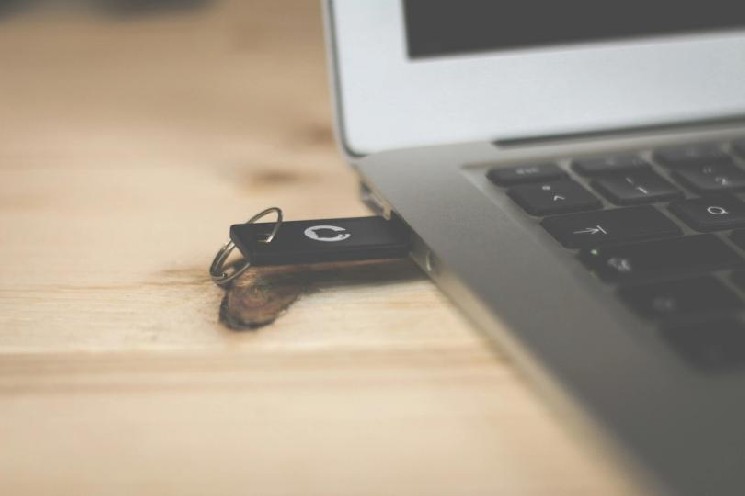
Lastly, the worm propagates when a clean USB drive is plugged into the computer. It scans the clean USB drive for ordinary files, Word docs, Excel sheets and PDFs, replaces them with new shortcut files using the same names and infects the drive. Then the cycle continues.

Microsoft recommends disabling AutoRun for removable media, blocking .lnk file execution on USB drives via group policy and restricting script hosts such as wscript.exe and cscript.exe. Microsoft Defender customers can also run hunting queries to check for related activity, including connections to a local Tor proxy on port 9050.

Source link

See also  OKX Invests in Vietnam Exchange CAEX Ahead of Crypto Pilot – Crypto News Bitcoin News
Crypto hijacks Malware Microsoft Spreads sticks USB wallets

Related Posts

Ireland Targets Crypto Assets in New Strategy to Disrupt Illicit Cash Flows

June 20, 2026

They Issued an Official Statement

June 20, 2026

Axelar says $4.7 million stolen in Secret Network bridge hack

June 20, 2026

Anime Girls Could Steal Your Crypto as Wallpaper Malware Targets Steam Gamers

June 19, 2026
Top Posts

Reddit-Based Tokens Plunge on Report of Wind Down of Community Points

October 17, 2023

Tether-backed Adecoagro launches 10 MW sugarcane-powered Bitcoin mining pilot in Brazil

June 3, 2026

Privy Taps Deframe by Pods to Unlock DeFi Yield Strategies

March 20, 2026

Type above and press Enter to search. Press Esc to cancel.