
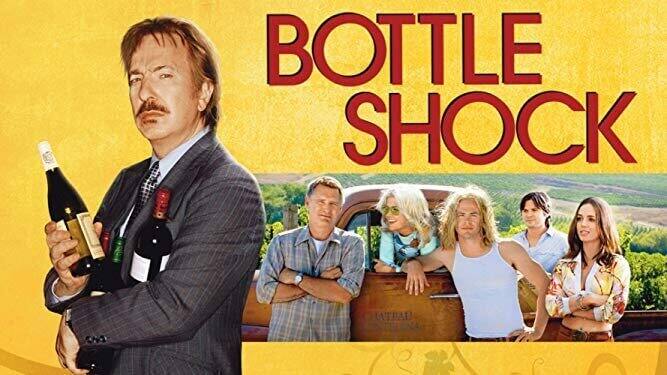
The filmmakers behind the indie hit “Bottle Shock,” a film that premiered at Sundance and featured a star-studded cast including Alan Rickman, Chris Pine and Bill Pullman, are venturing into new territory.
They are testing a blockchain-based platform called Funded.app to facilitate public investment in an ambitious new project – an animated version of ‘Bottle Shock’, intending to use the original soundtrack. Luke Dugdale, CEO of Funded.app, explained the platform’s capabilities: “Funded.app uses blockchain technology to allow people to buy a share of it and track its success using blockchain technology.”
Navigating the stigma surrounding NFTs
As with any technological innovation, there are hurdles to overcome. Currently, the ‘Proof of Ownership’ in Funded.app appears as an NFT. Despite the secure and transparent nature of blockchain technology, the term ‘NFT’ is received with skepticism. “Unfortunately, it’s all about re-educating people. The blockchain is solid, the technology is safe and secure, the tracking mechanism is robust and highly traceable,” said Steve “Mac” McKeon, CEO of MacNerd.
The original movie was a financial success, generating $4.7 million at the U.S. domestic box office and earning millions more through home video and streaming services such as Netflix and Amazon Prime. Additionally, it was one of the most lucrative airline indie films, earning $2.5 million during the flight alone.
A new twist on ‘Bottle Shock’ and the future of crowdfunding
The filmmakers plan to remake “Bottle Shock” as a hand-drawn animated film, with production costs estimated at $1.5 million. The majority of the budget will be spent on animation costs and actor reuse fees.
“The fame and recognition of the original makes this test of fractional ownership much more feasible. We know there’s interest in the project, now it’s simply a matter of explaining the technology behind it,” added Bottle Shock’s producer Jody Savin.
Moreover, in addition to exploring blockchain financing, the team is also working on securing traditional financing means. The hope is that if this method proves successful, it could pave the way for other independent filmmakers.
“Crowdfunding is not unique, crowd-owning is,” says producer Randall Miller of Bottle Shock. “We may not be successful this time, but I’m sure the others behind us will be. We want to be the drivers of change.”
Conclusion
In summary, the initiative of the makers of ‘Bottle Shock’ could herald a new phase in film financing, combining technology with public participation. While the challenges relate to public perception and understanding of blockchain and NFTs, the experiment could pave the way for a more inclusive and transparent film financing model.