
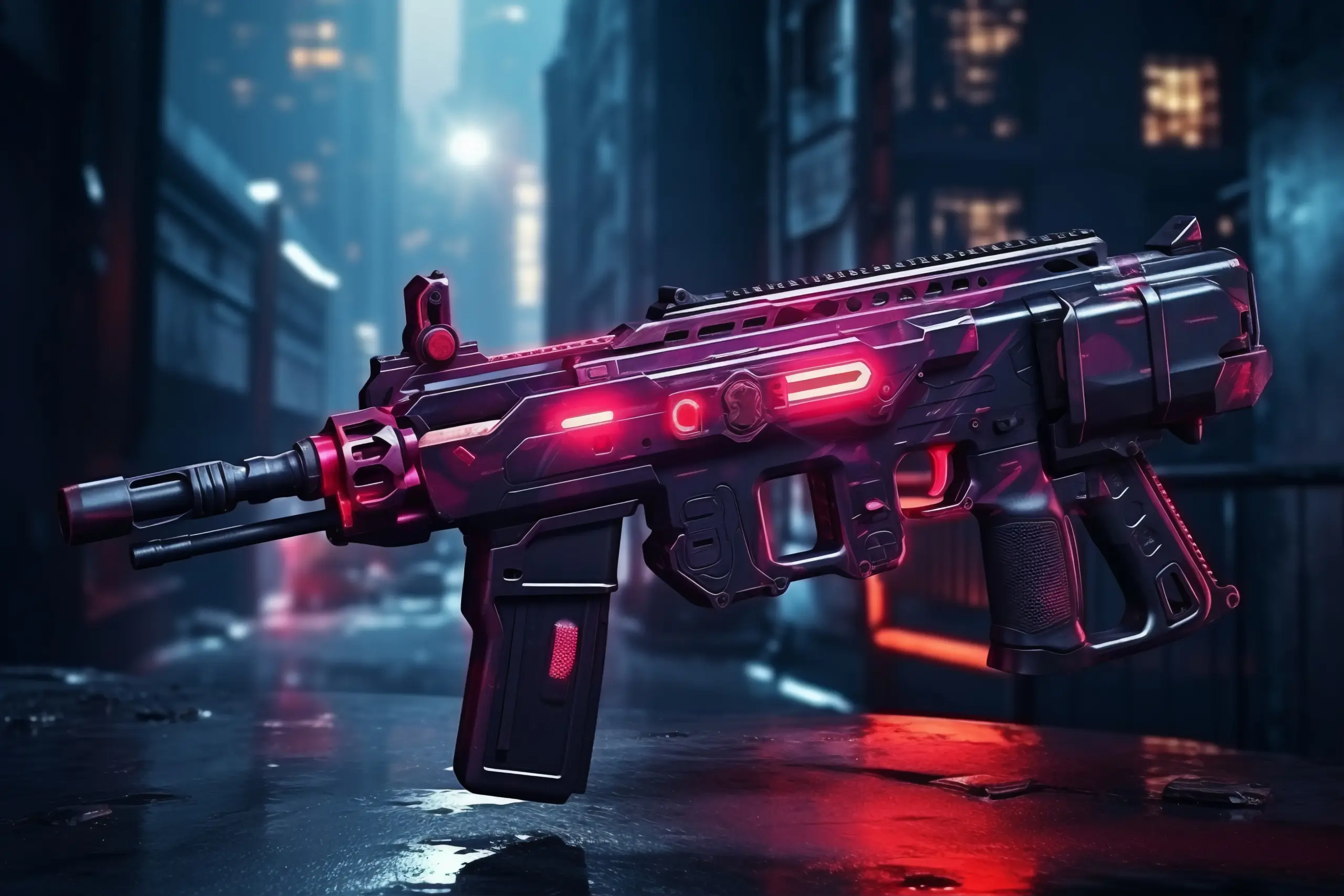
NFTs are colliding with gaming in ways that are impossible to ignore. From Fortnite’s pushback to new projects like Shrapnel The debate over NFT gaming skins leads the charge, highlighting both the resistance and inevitability of change.
Key Takeaways
-
NFT gaming skins create new ownership and trading opportunities that traditional skins can’t match.
-
Major developers are cautious, but they cannot hold back market demand forever.
-
Onboarding crypto users remains a challenge, with app stores creating friction.
-
Handheld devices like SUIplay are designed to make accessing NFT games easier.
-
As regulations and adoption improve, the adoption of NFT gaming skins will become inevitable.
The current state of NFT gaming skins
Traditional gaming skins are already driving billions in revenue through cosmetic purchases. Players pay for the items they have cannot trade or possess outside the gaming ecosystem. NFT gaming skins change this model by offering verified ownership, resale potential, and cross-game functionality.
While the market cooled after 2021’s NFT boom, interest in digital collectibles tied to games has persisted. Younger gamers, accustomed to digital identities and cosmetic customization, show a consistent demand for assets that feel more permanent and transferable.
The benefits of gaming skins
Owning NFT-based skins offers players more than bragging rights. The biggest benefits include:
-
Property: Players can prove their skin is authentic and resell it.
-
Interoperability: Skins could one day move across different games or platforms.
-
Value retention: Unlike traditional skins, NFTs can maintain or even increase their value.
-
Community-driven design: Independent creators can create and distribute skins.
This shift gives players more choice and aligns digital gaming economies with real-world asset ownership.
Pushback from major developers
Major developers have been cautious. Epic Games, creator of Fortnitehas allowed NFT-based titles on its store, but continues to keep Fortnite itself free of NFTs. The reasoning is partly about protecting a younger audience and partly about avoiding regulatory uncertainty.
This setback shows that established companies fear losing control of their ecosystems. Traditional skins give publishers a steady stream of revenue. NFTs threaten to redistribute that value to third-party players and marketplaces.
The challenge of onboarding crypto users
Even for players who want NFT gaming skins, onboarding is difficult. Game stores often restrict blockchain integrations, and app platforms like Apple’s App Store impose this additional costs and hurdles. Managing wallets, private keys and gas costs also poses a barrier for newcomers.
Until these pain points are resolved, NFT adoption in mainstream gaming will continue to be slower than it could be.
Handheld devices such as SUIplay
Special devices such as SUIplay emerge as solutions. They come pre-loaded with Web3 capabilities, making it easier for players to dabble in NFT-enabled games without struggling with wallets and complicated settings.
By streamlining access, these handhelds lower the barrier to entry and demonstrate a path forward for broader adoption.
Upcoming use cases
Future use cases for NFT gaming skins go far beyond simple cosmetics:
-
Play-for-own mechanics where players earn skins with real trade-in value.
-
Creator economies where independent artists create skins for games.
-
Identity between titles allowing a skin purchased in one game to be recognized in another.
-
Esports Awards that serve as tradable assets.
Games like Off the grid And Shrapnel are already experimenting with these models, proving that the technology works and that player interest is high.
The inevitable adoption of NFT gaming skins
The resistance of the industrial giants will only last for a limited time. As regulations become clearer and onboarding friction decreases, the benefits of NFT gaming skins will outweigh the risks. Players want more control over their digital identities, and developers will eventually have to adapt.
Projects like Shrapnel and Off the Grid set the tone for what is to come. Whether companies like Epic embrace it quickly or slowly, NFT gaming skins are on their way to becoming an integral part of the gaming landscape.