
In short
- The Wikimedia Foundation has announced a slew of partnerships with AI companies to use its content for training LLMs.
- The AI companies have signed up for their Enterprise product for large-scale reuse of Wikipedia’s content.
- In October last year, the Foundation said site visits dropped as people used AI summaries instead of visiting the site.
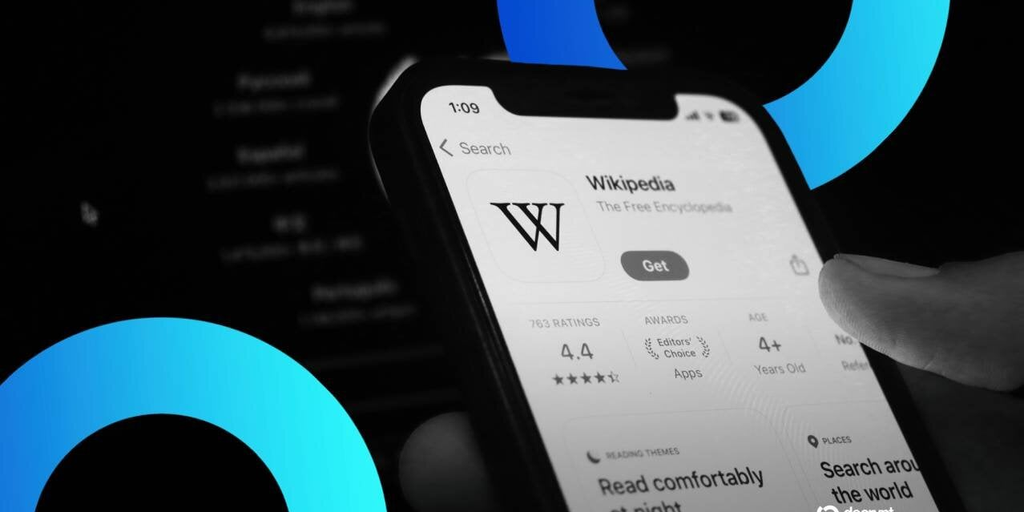
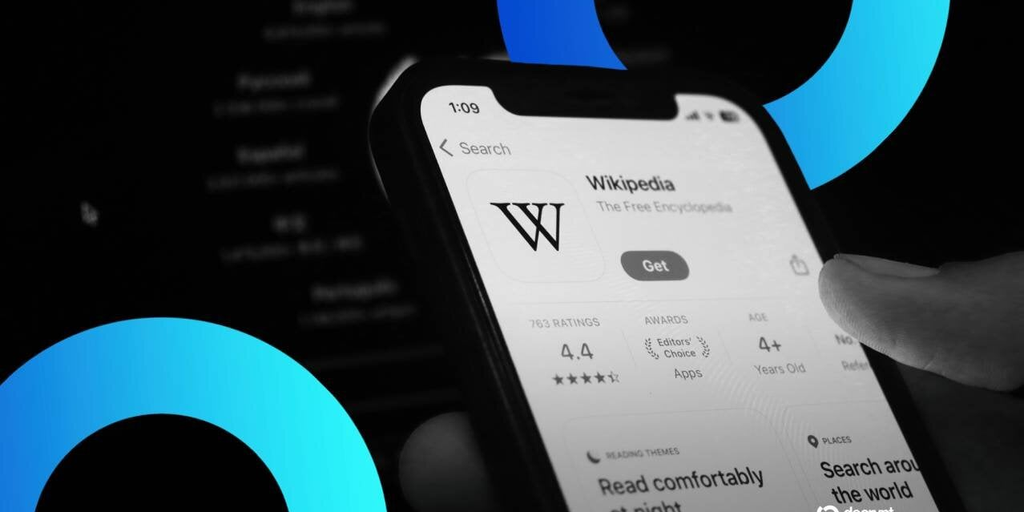
The Wikimedia Foundation has announced a series of new partnerships with artificial intelligence companies that will allow them to use Wikipedia content to train and strengthen their AI models, as the nonprofit looks to strengthen its long-term sustainability amid changing online behavior.
The agreements were signed through Wikimedia Enterprise, the foundation’s commercial product designed for large-scale reusers and distributors of content from Wikimedia projects. New signups include Ecosia, Microsoft, Mistral AI, Perplexity, Pleias and ProRata. They join existing partners such as Amazon, Google and Meta.
“In the AI era, Wikipedia and the knowledge created and curated by humans have never been more valuable,” the foundation said in a statement.
“It is the power of knowledge[s] generative AI chatbots, search engines, voice assistants and more. Wikipedia is one of the highest quality datasets used in training large language models.”
The announcement was made as part of an update related to Wikipedia’s 25th anniversary.
The online encyclopedia is one of the top ten most visited websites worldwide and is the only one in that group that is managed by a non-profit organization. According to the foundation, its more than 65 million articles, published in more than 300 languages, are viewed almost 15 billion times per month.
However, it is warned that traffic patterns are changing. In October, the company said human visits to Wikipedia fell 8% year-over-year, which was due to the decline in users relying on AI-generated summaries rather than visiting the site directly. Nearly 60% of Google searches now end without a click, with on-page responses often supported by content from Wikipedia.
AI vs publishers
The deals come amid a broader debate over how AI companies obtain training data. Large language models are typically trained on large amounts of online material, a practice that has drawn criticism from authors, publishers and other rights holders who argue that using copyrighted works without permission is an infringement.
Among them, Reddit has been involved in several lawsuits with AI companies over its use of its content to train models, although it has signed licensing deals with companies like Google.
On Thursday, major book publishers Hachette Book Group and Cengage Group filed a motion to join an existing class action lawsuit against Google, accusing the company of committing “historic copyright infringement” in building its Gemini AI platform. The lawsuit alleges that Google copied books without proper licenses during its AI training processes. The case was originally filed in 2023 by a group of authors.
OpenAI is facing a similar case from plaintiffs including “Game of Thrones” writer George RR Martin.
Entertainment companies are also paying attention to the issue. In mid-December, Disney sent Google a defamation letter accusing the company of copyright infringement, even as Disney entered into a separate licensing agreement with OpenAI for hundreds of characters for AI-generated video. Disney has made similar announcements to other AI companies and, along with major studios, is involved in lawsuits against image generation company Midjourney.
The same month, a coalition of writers, actors and technologists launched a new industry group to focus on enforceable standards that govern how AI is trained and used in entertainment. More than 500 prominent figures have supported the initiative, including Natalie Portman, Cate Blanchett, Ben Affleck, Guillermo del Toro and Taika Waititi.
The European Commission has also opened a formal antitrust investigation into whether Google breached EU competition rules by using content from publishers and YouTube to power its AI services without fair compensation or consent.
It is not certain whether copyright holders will ultimately find recourse. Federal judges in the US recently awarded Meta and Anthropic partial victories, ruling that their use of copyrighted books to train AI models constituted fair use, while criticizing the companies for maintaining permanent libraries of pirated works.
Daily debriefing Newsletter
Start every day with today’s top news stories, plus original articles, a podcast, videos and more.