
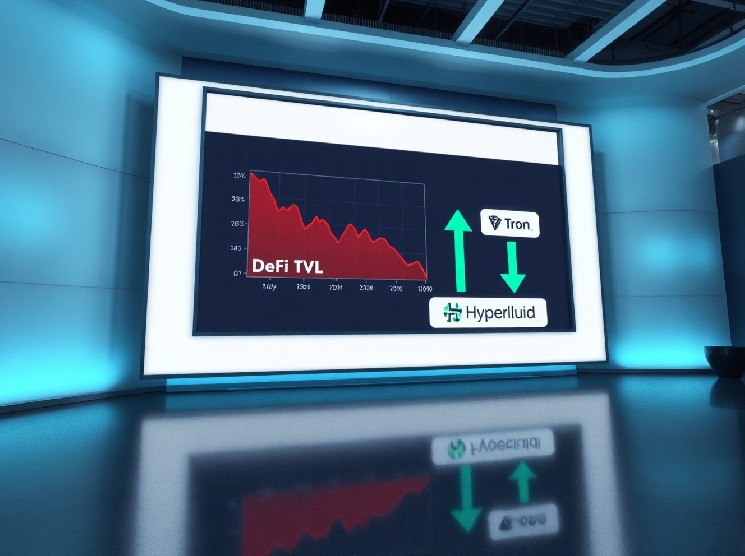
The total value locked (TVL) for decentralized finance protocols (DeFi) has fallen for six consecutive months, according to a new report from CryptoRank. Year-to-date, DeFi TVL is down about 39%, from about $115 billion in January 2025 to about $70 billion at the end of June. This continued downturn reflects a broader correction following the market peak earlier this year.
Six months of decline and increasing safety concerns
DeFi TVL’s continued contraction marks one of the longest declines since the 2022 bear market. Analysts point to a combination of factors, including reduced return opportunities, shifting investor sentiment toward lower-risk assets, and a cooling macroeconomic environment. The report highlights that the decline is broad-based and impacts most major blockchain ecosystems.
Adding to the pressure, the DeFi sector will experience 121 security incidents by 2025, resulting in a cumulative loss of approximately $942 million. The second quarter alone accounted for 85 of these incidents, amounting to approximately $775 million in damages. Notable exploits and bridge attacks have continued to undermine user trust, causing some capital to migrate to more regulated or custodial platforms.
Tron and Hyperliquid stand alone
Of TVL’s top ten blockchain networks, only two have shown positive growth this year. Tron’s TVL is up about 5% this year, thanks to continued demand for $USDT remittances, stablecoin-based payments and lending services. The network’s low transaction fees and high throughput have made it a preferred settlement layer for stablecoin operations, especially in emerging markets.
Hyperliquid, a relative newcomer focused on on-chain perpetual futures trading, has seen its TVL increase by about 6.7% since January. The protocol’s growth is attributed to its dominance of the on-chain derivatives market and the continued expansion of its HyperEVM ecosystem, which has attracted developers building complementary DeFi applications.
What this means for the broader market
The difference in TVL performance highlights a shift in users’ priorities. While overall DeFi activity has cooled, platforms that provide specific utility, such as stablecoin transfers or derivatives trading, continue to attract liquidity. This suggests that the market rewards protocols with clear use cases and sustainable revenue models, rather than protocols that rely on speculative agricultural incentives.
For investors and protocol developers, the data underlines the importance of security and usability in practice. The high number of exploits in 2025 has likely accelerated capital flight from riskier protocols, reinforcing the trend toward established networks with proven track records.
Conclusion
The 39% decline in DeFi TVL reflects a market in correction, with only Tron and Hyperliquid managing to grow amid headwinds. Combined with nearly $1 billion in safety losses, the industry is entering a critical period of consolidation. The coming months will test whether DeFi can regain momentum through improved security, regulatory clarity, and innovation in user-facing applications.
Frequently asked questions
Question 1: Why will DeFi TVL drop so much in 2025?
A: The decline is attributed to a post-peak market correction, reduced return opportunities, a shift in investor sentiment toward lower-risk assets, and a series of high-profile security exploits that have eroded confidence.
Question 2: How have Tron and Hyperliquid managed to grow while others declined?
A: Tron’s growth is driven by demand $USDT transfers and stablecoin lending, while Hyperliquid has capitalized on its leadership in on-chain perpetual futures and the expansion of its HyperEVM ecosystem.
Question 3: What impact have security incidents had on the DeFi market?
A: The 121 incidents in 2025, which totaled nearly $942 million in losses, accelerated capital flight from riskier protocols and reinforced the trend toward networks with stronger security credentials and clearer utility.