
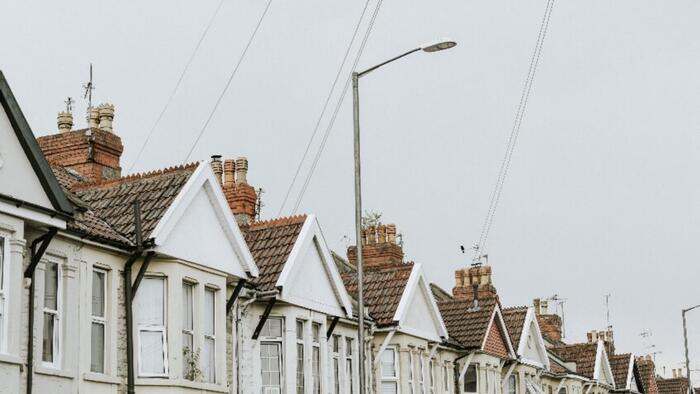
A recent spell of extreme heat has intensified debate over whether UK homes should be designed with built-in cooling systems, according to FT.
Air conditioning remains uncommon in Britain, with fewer than 5% of homes equipped with it, reflecting a long-standing view that cooling is a luxury rather than a necessity.
FT writes that current building standards favor passive methods of controlling indoor temperatures, such as insulation, shading, and natural ventilation. Developers generally prioritize these measures, arguing they are more energy-efficient and better aligned with environmental goals. Concerns about the cost of installation, higher electricity consumption, and pressure on the power grid have also limited the adoption of air conditioning in new developments.
However, rising temperatures are challenging this approach. Critics argue that passive measures become less effective during severe heatwaves, particularly in modern, well-insulated buildings that can trap heat indoors. Climate experts have warned that a significant share of the UK’s housing stock may require some form of active cooling as temperatures continue to rise.
Consumer attitudes appear to be shifting as hotter summers become more common. Demand for air conditioning has increased among homeowners, tenants, and landlords, while installers report surging enquiries during periods of extreme heat. Yet retrofitting existing properties remains difficult due to high costs and planning restrictions, especially in older buildings.
As climate change increases the frequency and intensity of heatwaves, the question is no longer whether overheating is a problem, but how homes can be adapted to remain comfortable while balancing energy efficiency and sustainability.
Meanwhile, as Bloomberg notes, the heat is also creating new challenges for people who work remotely. With temperatures reaching record levels for May in London, companies that install air-conditioning systems report a sharp rise in inquiries and bookings.
The issue reflects a wider mismatch between the UK’s housing stock and a changing climate. Most homes were built to conserve heat during winter, not to cope with extended periods of extreme warmth. Despite rising temperatures, fixed air conditioning remains uncommon, leaving many households dependent on fans or portable cooling units.

For residents, the consequences are increasingly disruptive. Some workers are abandoning home offices in favor of air-conditioned workplaces, while others describe sleepless nights, overheated apartments, and difficulty focusing during the day. Even getting to the office offers limited relief, as much of London’s Underground network still operates without air conditioning.
The debate reflects a broader challenge facing Britain as it adapts to a warmer climate. While concerns about energy use and sustainability remain valid, increasingly frequent heatwaves are forcing policymakers, developers, and homeowners to reconsider what constitutes a comfortable and resilient home.
Britain is finding that as temperatures continue to rise, cooling may become less of a luxury and more of a practical requirement for modern living.