
Close Menu
  • Instructions
  • News
    • DeFi
    • Smart Contract
    • Markets
    • Web3
    • Adoption
    • Memecoins
    • Analysis
    • Mining
    • Scams
    • Security
  • Education
    • Learn
    • Wallets & Exchange
  • Documentaries
  • Videos
    • Alessio Rastani
    • Altcoin Buzz
    • Coin Bureau
    • Dapp University
    • DataDash
    • Digital asset News
    • EllioTrades Crypto
    • MMCrypto
    • Lark Davis
    • Ivan on Tech
    • Benjamin Cowen
  • Market
    • Crypto Market Cap
    • Heat Map
    • Converter
    • Metal Prices
    • Stock prices
  • Bonus Books
  • Tools
What's Hot

TON Price Prediction: $1.50 Target as Technical Indicators Signal Potential 13% Rally

May 2, 2026

The Cheap Foreign Labor Regime Blocking Agricultural Intelligence

May 2, 2026

Meteora reports $1.5 million OTC scam loss in Q1 MET report

May 2, 2026
Facebook X (Twitter) Instagram
Recession Profit AlertsRecession Profit Alerts
  • Instructions
  • News
    • DeFi
    • Smart Contract
    • Markets
    • Web3
    • Adoption
    • Memecoins
    • Analysis
    • Mining
    • Scams
    • Security
  • Education
    • Learn
    • Wallets & Exchange
  • Documentaries
  • Videos
    • Alessio Rastani
    • Altcoin Buzz
    • Coin Bureau
    • Dapp University
    • DataDash
    • Digital asset News
    • EllioTrades Crypto
    • MMCrypto
    • Lark Davis
    • Ivan on Tech
    • Benjamin Cowen
  • Market
    • Crypto Market Cap
    • Heat Map
    • Converter
    • Metal Prices
    • Stock prices
  • Bonus Books
  • Tools
Recession Profit AlertsRecession Profit Alerts
Home»Markets»Iran War Cost $25 Billion in First 2 Months, Pentagon Says
Markets

Iran War Cost $25 Billion in First 2 Months, Pentagon Says

April 30, 2026No Comments3 Mins Read

Authored by Ryan Morgan via The Epoch Times,

Combat operations against Iran have cost the U.S. military about $25 billion in two months, a top Pentagon accounting official told House Armed Services Committee members on April 29.

The Wednesday hearing marked the first time Secretary of War Pete Hegseth and Chairman of the Joint Chiefs of Staff Gen. Dan Caine have testified publicly to Congress since U.S. and Israeli forces commenced attacks on Iran on Feb. 28. U.S. and Iranian forces exchanged fire for about five and a half weeks before the parties entered into a ceasefire agreement on April 8.

Rep. Adam Smith (D-Wash.), the ranking member on the committee, asked the Pentagon to account for the costs of U.S. munitions expended as well as for equipment destroyed in the course of the fighting.

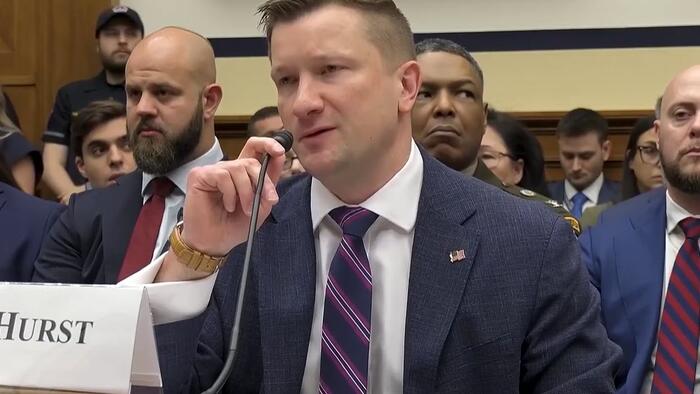
Jules Hurst, the acting War Department comptroller, estimated those costs at about $25 billion.

Hurst said munitions accounted for most of it, but said he also factored in operations and maintenance and equipment replacement costs. Hurst joined Hegseth and Caine at the hearing, as Congress weighs military funding requests for fiscal year 2027.

The Trump administration has been working on submitting a supplemental funding request to Congress to cover the war’s costs, but has yet to finalize it or settle on an exact figure.

“We will formulate a supplemental through the White House that will come to Congress once we have a full assessment of the cost of the conflict,” Hurst said.

The Pentagon is already seeking a $1.5 trillion military and defense spending budget for fiscal year 2027. The request amounts to a 42 percent increase over fiscal year 2026 military spending, which totaled approximately $1.03 trillion.

See also  Latest White House talks on stablecoin yield make 'progress' with banks, no deal yet

Among other items, the Trump administration’s 2027 military budget request seeks $52.9 billion to boost procurement for 12 weapons systems that the Pentagon has classified as critical munitions.

In March, President Donald Trump announced he had met with the CEOs of BAE Systems, Lockheed Martin, Northrop Grumman, Raytheon parent RTX Corp., Boeing, Honeywell, and L3Harris Technologies to discuss boosting their munitions production levels. Weapons produced by the companies—including the Patriot and Terminal High Altitude Area Defense missile defense systems and offensive weapons like the Joint Air-to-Surface Standoff Missile—have featured heavily in the Iran war.

Beyond the immediate material costs to replace weapons and equipment, the Iran war has also disrupted global oil and gas flows out of the Middle East, leading to rising prices for consumers.

Source link

Billion Cost Iran months Pentagon War

Related Posts

The Cheap Foreign Labor Regime Blocking Agricultural Intelligence

May 2, 2026

Brazil's central bank bans stablecoin and crypto settlement in cross-border payments

May 2, 2026

ZachXBT Exposes US Law Firm Gerstein Harrow’s $71M Grab of Stolen Lazarus Funds

May 2, 2026

Prediction markets are ditching the 'casino' label to become a regular part of how people track the news

May 2, 2026
Top Posts

Thena downtrend continues despite exploit denial, APR increase

March 19, 2026

XRP edges higher to $1.35 on breakout, but bullish momentum still lacks

April 10, 2026

Aave v3 fork debuts noncustodial liquidity markets on Base

September 25, 2023

Type above and press Enter to search. Press Esc to cancel.