
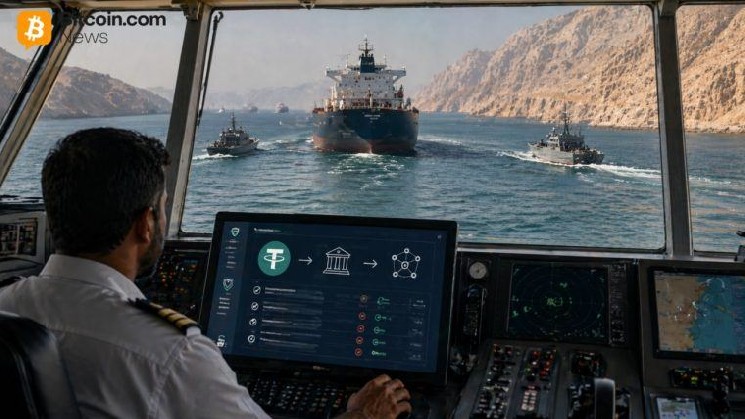
A $344 million $USDT freeze has exposed how Iran-linked funds are routed through stablecoin networks. Chainalysis analyzed the activity across brokers, intermediary wallets, and DeFi protocols tied to Central Bank of Iran-linked addresses.
Key Takeaways:
- $344M $USDT freeze exposed a multi-step crypto pipeline across Iran-linked networks.
- Chainalysis traced wallet activity tied to the Central Bank of Iran network.
- Stablecoins remain central to Iran-linked networks using brokers, DeFi, and intermediaries.
Iran-Linked Stablecoin Flows Come Under Sanctions Scrutiny
Sanctions enforcement tied to Iran’s crypto activity is intensifying after a major stablecoin freeze brought attention to how these networks route funds across brokers, intermediary wallets, and DeFi infrastructure. Chainalysis said in an April 27 blog post that a $344 million $USDT seizure was analyzed within a broader flow of transactions involving brokers, intermediary wallets, and on-chain routing. The action coincided with the Office of Foreign Assets Control (OFAC) adding two Central Bank of Iran-linked crypto addresses to its sanctions list.
The two wallets were frozen on April 23 and later appeared in OFAC’s updated designations. Chainalysis tied the addresses to activity involving Iranian exchanges and intermediary wallets interacting with Central Bank of Iran-associated accounts. Their balances were consistent with the $344 million in $USDT frozen through coordination between Tether and U.S. authorities. The blockchain analytics firm detailed:
“Iran’s digital asset networks provide the critical financial infrastructure needed to launder the billions of dollars generated by these shadow fleet vessels back to the IRGC and Iran-aligned terrorist organizations across the region.”
The timing connects wallet freezes, intermediary routing and sanctions designations within the same enforcement picture.
Broker Networks, DeFi Routing and Strait of Hormuz Risks Expand Iran Crypto Exposure
Chainalysis also described earlier stablecoin activity tied to Iran-linked networks. In late 2025, sanctioned individual Babak Morteza Zanjani published leaked documents that included cryptocurrency addresses he claimed were tied to the Central Bank of Iran. The firm said those materials indicated that a broker helped the regime buy stablecoins with fiat currency. That broker had exposure to Alireza Derakhshan, who coordinated more than $100 million in crypto purchases linked to Iranian oil sales from 2023 to 2025. Chainalysis outlined a transaction flow where funds moved from brokers into stablecoins, through intermediary wallets, across bridges and DeFi protocols, before returning to Iranian crypto channels and Islamic Revolutionary Guard Corps (IRGC)-affiliated entities.
The analysis also points to fresh compliance risks around the Strait of Hormuz. Iran reported collecting toll payments from commercial vessels, while scammers allegedly targeted shipping firms trying to comply with those demands. Some companies paid fraudulent actors and were later confronted by IRGC naval vessels after Iranian authorities did not receive the funds. Payment methods remain under investigation, though Chainalysis said stablecoin use would fit recent Iranian on-chain activity if confirmed. Chainalysis noted:
“Central Bank of Iran funds were laundered through several bridge and DeFi protocols before being cycled back into the mainstream Iranian crypto ecosystem.”
The analysis shows how these transactions form a continuous, traceable pathway linking funding sources, routing layers, and sanctioned entities.