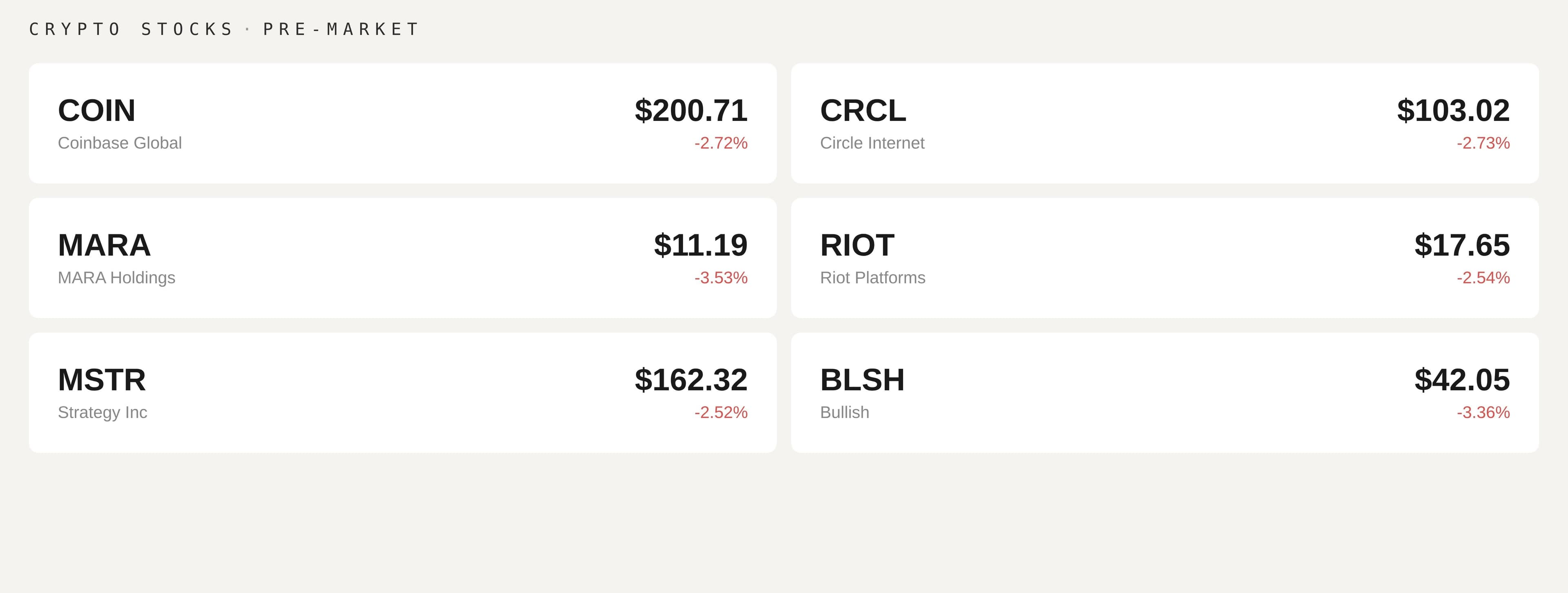
Market dynamics continue to paint a bullish picture for Bitcoin even as Iran-related developments and DeFi hacks dominate headlines.
US-listed spot ETFs raked in $663 million on Friday, the highest since January 15. Total inflows last week were $996 million, up from $786 million the week before, according to data source SoSoValue. This indicates strong institutional interest in the largest cryptocurrency.
For a meaningful price rally to emerge, it is a trend that must be sustained.
“ETF flow regimes offer a secondary insight: persistent inflows indicate structural demand, while intermittent flows indicate tactical positioning, where consistency is more important than size,” Timothy Misir, head of research at BRN, said in an email.
According to data from CoinDesk, Bitcoin is trading just above $75,000 after peaking above $78,000 on Friday. Prices have remained largely stable over the past 24 hours. Similar patterns are clearly visible in ether (ETH), $XRP ($XRP), Solana ($SOL) and other important tokens.
DeFi platform Aave’s AAVE token is down 1% to $90 as the protocol faces collateral damage from KelpDAO’s weekend hack. The DeFi dominance rate, which measures the share of DeFi coins in the total crypto market value, has remained stable at around 3%.
“The pressure on the leading cryptocurrency is related to negative stock market reactions to news about Iran, which has reduced risk appetite. BTC has significantly underperformed equities in recent days, building potential but not yet moving to realize it,” Alex Kuptsikevich, the chief market analyst at FxPro, said in an email.
According to the latest reports, the US has attacked and seized an Iranian cargo ship in an attempt to circumvent restrictions on Iranian ports.
Meanwhile, traders are actively building short positions, betting on a breakout. This could fuel a “short squeeze” if prices hold steady, forcing traders to hedge bearish bets and potentially pushing spot prices higher. Stay alert!
Read more: See Crypto Markets Today for an analysis of current altcoin and derivatives activity. For a comprehensive list of events this week, see CoinDesk’s “Crypto Week Ahead.”
What’s trending
- The $292 Million Kelp Exploit: How It Happened and What It Means for DeFi (CoinDesk): Aave saw a drop of around $6.6 billion in the total value committed to the protocol as users snatched assets after the incident, raising concerns of a “bank run.” The token associated with the protocol fell by about 15%.
- Vercel hack sends crypto developers scrambling to lock down API keys (CoinDesk): The incident is drawing a lot of attention because Vercel powers the front-end infrastructure for many crypto apps and is the primary steward of Next.js, one of the most widely used web development frameworks.
- Traffic in Hormuz is at a standstill as seizure of U.S. ships increases risk (Bloomberg): Commercial traffic through the strait is at a virtual standstill after a brief reopening last weekend ended with the first U.S. seizure of an Iranian ship. A fragile ceasefire expires at the end of Tuesday.
- Stocks are back at record highs, but bond investors haven’t joined the party (The Wall Street Journal): While the S&P 500 and Nasdaq composite indexes are at record highs, concerns about lasting damage to the Middle East’s energy infrastructure are keeping longer-dated oil futures well above their pre-war levels.
Today’s signal
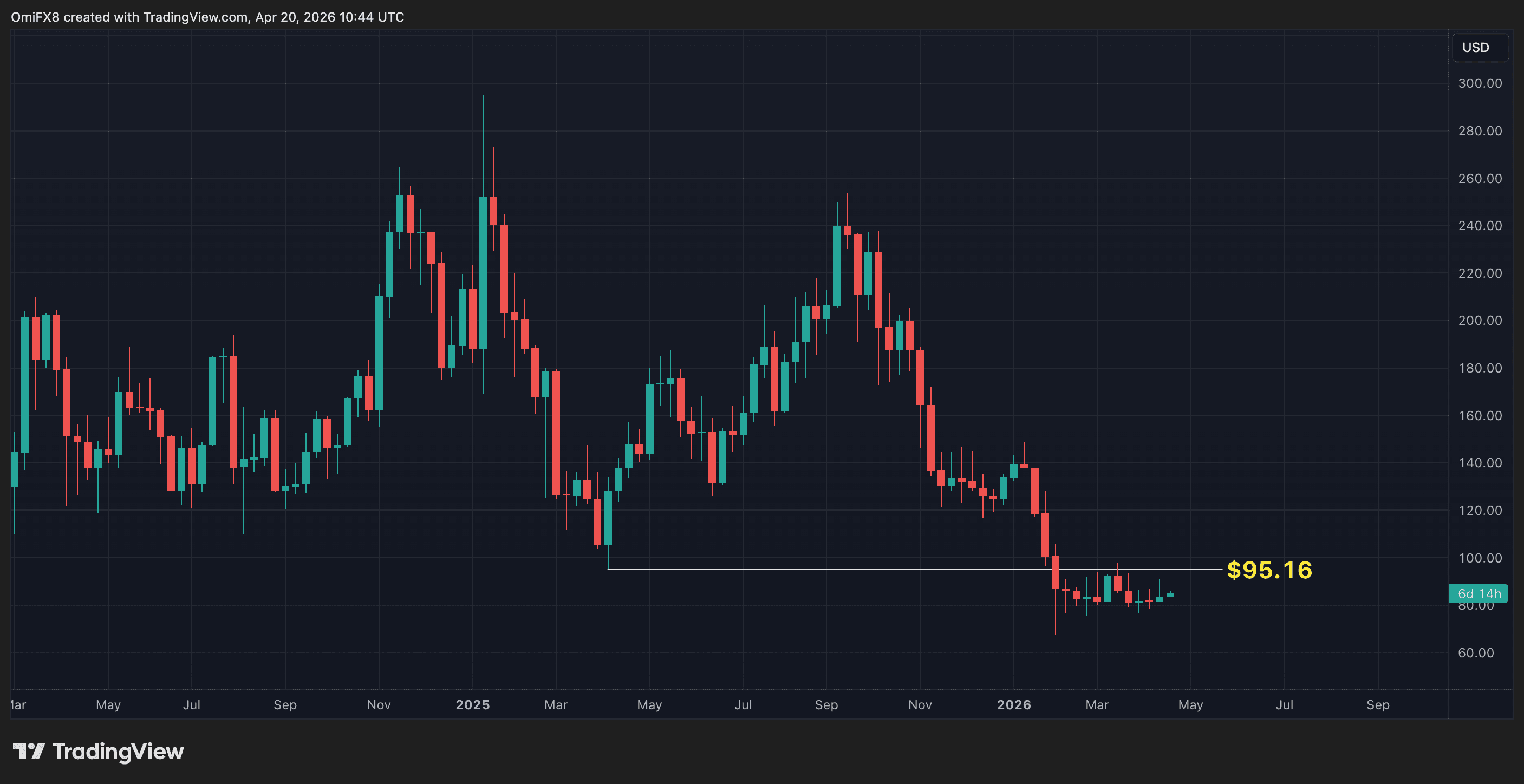
The chart shows weekly price fluctuations in solana ($SOL), with each candle showing a full week of trading activity, including the opening, closing, high and low prices.
One level stands out: $95.16, the lowest level recorded in April.
$SOL has remained below that level for eleven consecutive weeks after falling below it in early February. In technical analysis, a level that previously acted as ‘support’, a price floor where buying interest tends to arise, often becomes ‘resistance’ once it is breached. That means traders who previously bought around that level may now try to sell if prices revisit this, limiting upside momentum.
The fact that $SOL has not yet climbed back, indicating continued bearish sentiment and potential for deeper losses. The next major support can be seen immediately at $50.
A strong move above that level, supported by a rise in trading volumes, is needed to negate the bearish outlook.