
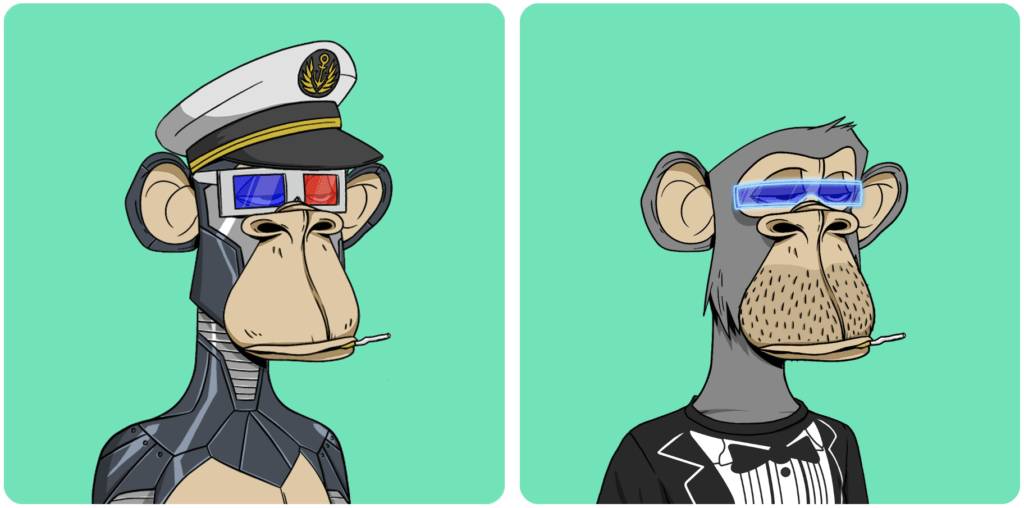
In a recent ruling, a federal judge in California ordered conceptual artist Ryder Ripps and his business partner Jeremy Cahen to pay Bored Ape Yacht Club NFT maker Yuga Labs more than $1.5 million in damages. The judge, U.S. District Judge John Walter, ruled that Ripps and Cahen were guilty of copying and profiting from Bored Ape’s NFT art.
Background: the lawsuit and the defendants’ defense
Ripps and Cahen had defended their actions, stating that their copies were an art project intended to critique racist undertones in Yuga’s works. However, Judge Walter rejected their argument, stating that their copies were not artistic and were merely an attempt to capitalize on Yuga’s success.
Yuga Labs, which sued Ripps and Cahen last year, accused them of making millions of dollars from counterfeiting Bored Ape tokens under the guise of satire. Ripps described his specimens as appropriation of artwith the intention of satirizing racist and anti-Semitic imagery associated with Yuga’s NFTs and branding.
Verdict
Judge Walter sided with Yuga Labs earlier this year, ruling that Ripps’ NFTs were no different than selling counterfeit goods. The recent ruling determined the extent of damages and other relief to which Yuga Labs is entitled.
In the ruling, Judge Walter stated that Yuga Labs should receive all of Ripps and Cahen’s profits, amounting to $1.3 million, because they were fully aware of the confusion their copies would cause but continued to sell them despite the lawsuit . In addition, Yuga Labs received attorneys’ fees and additional damages of $200,000 cybersquatting.
The judge issued orders blocking the sale of the copies and mandated Ripps and Cahen to transfer their NFT smart contract, project-related websites and social media accounts to Yuga Labs. This ensures that the copied works are no longer available to the public.
Yuga Labs celebrated the ruling and expressed satisfaction in defeating scammers and supporting creators in advancing Web3 experiences worldwide. On the other hand, Ripps and Cahen’s attorney, Louis Tompros, expressed disagreement with parts of the decision and announced plans to appeal.
It’s worth noting that the 9th US Circuit Court of Appeals is considering an appeal from Ripps and Cahen, challenging the case under a California law protecting free speech. The outcome of this appeal could have implications for future cases involving NFT art and intellectual property rights.