
The Swedish financial regulator reported a troubling trend in investment fraud targeting Bitcoin users during the third quarter of 2023. The Financial Supervisory Authority said thousands of consumers fall victim to various schemes yearly.
In the third quarter, approximately 1,216 companies targeted private individuals through investment fraud. According to the FSA, this significant increase compared to the previous year underscores the continuous growth of investment scams.
Mikael Sandahl, the Financial Inspector at the FSA, said in a statement translated from Swedish: “Fraud is an important and growing source of funding for criminal gangs and turns over billions of dollars. With promises of easy investments and big profits, consumers are tricked into investing. The continued high number of warnings reflects our view that this is a growing problem.”
One prominent lure utilized by fraudsters is Bitcoin. Scammers have been targeting consumers by claiming they have substantial Bitcoins associated with a fictitious entity known as the “CFDS cryptocurrency platform.” These unscrupulous individuals offer consumers access to supposed holdings valued at over one million Swedish kronor in exchange for a fee.
Det har blivit allt vanligare att bedragare kontaktar konsumenter via mejl och påstår att de har kryptovalutor registrerade på personens mejladress. Konsumenter utlovas att de ska kunna få loss pengarna mot en avgift. https://t.co/ziSTfVVgCo
— Finansinspektionen (@finansinsp) October 20, 2023
Besides Bitcoin-related scams, consumers have reported a surge in fraudulent loan offers through dubious websites in Sweden. These scams involve promises of low-interest loans that are quick and easy to secure. However, once the loan is approved, consumers must pay upfront fees before the loan can be disbursed.
According to the FSA, these fees often come disguised as setup costs, initial interest payments, insurance, or other administrative charges. Unfortunately, those who pay these fees never receive the promised loan amount. In light of this, the Swedish watchdog has cautioned users about email communications.
Crypto Crime Escalates
FSA’s report is corroborated by research released by analytics firm Certik in September, which indicated that $890 million were lost in the crypto space due to hacks and exploits in the third quarter. One standout name in the world of crypto crime is the Lazarus Group, a hacking collective associated with North Korea, which has been implicated in multiple major attacks, accounting for $94 million in stolen cryptocurrency.
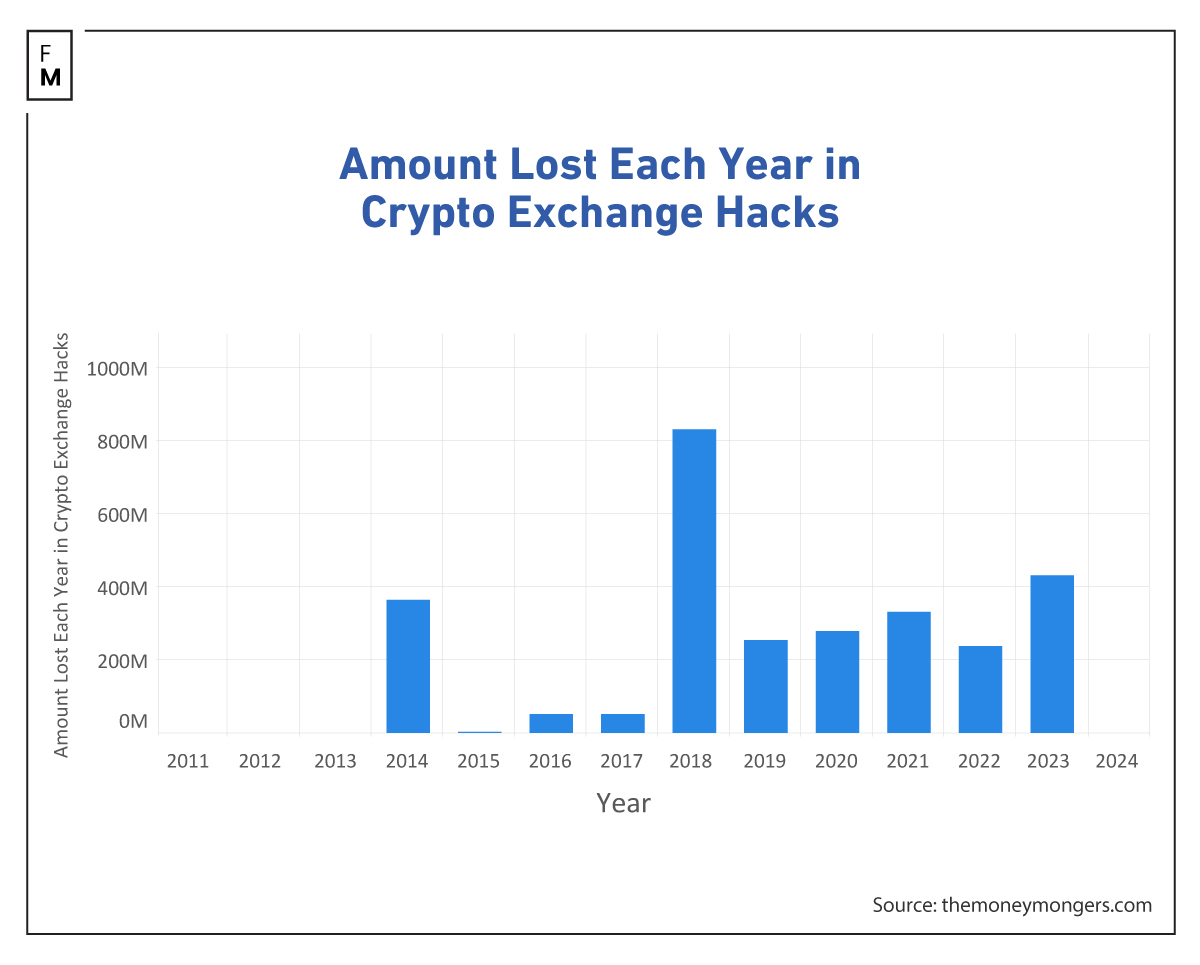
Similarly, according to The Money Mongers, as reported by Finance Magnates, since 2011, a staggering $12.36 billion has been lost in 1,207 crypto-related hacking incidents. The year 2023 witnessed an alarming trend where hackers steal $289,000 every hour from these criminal activities.
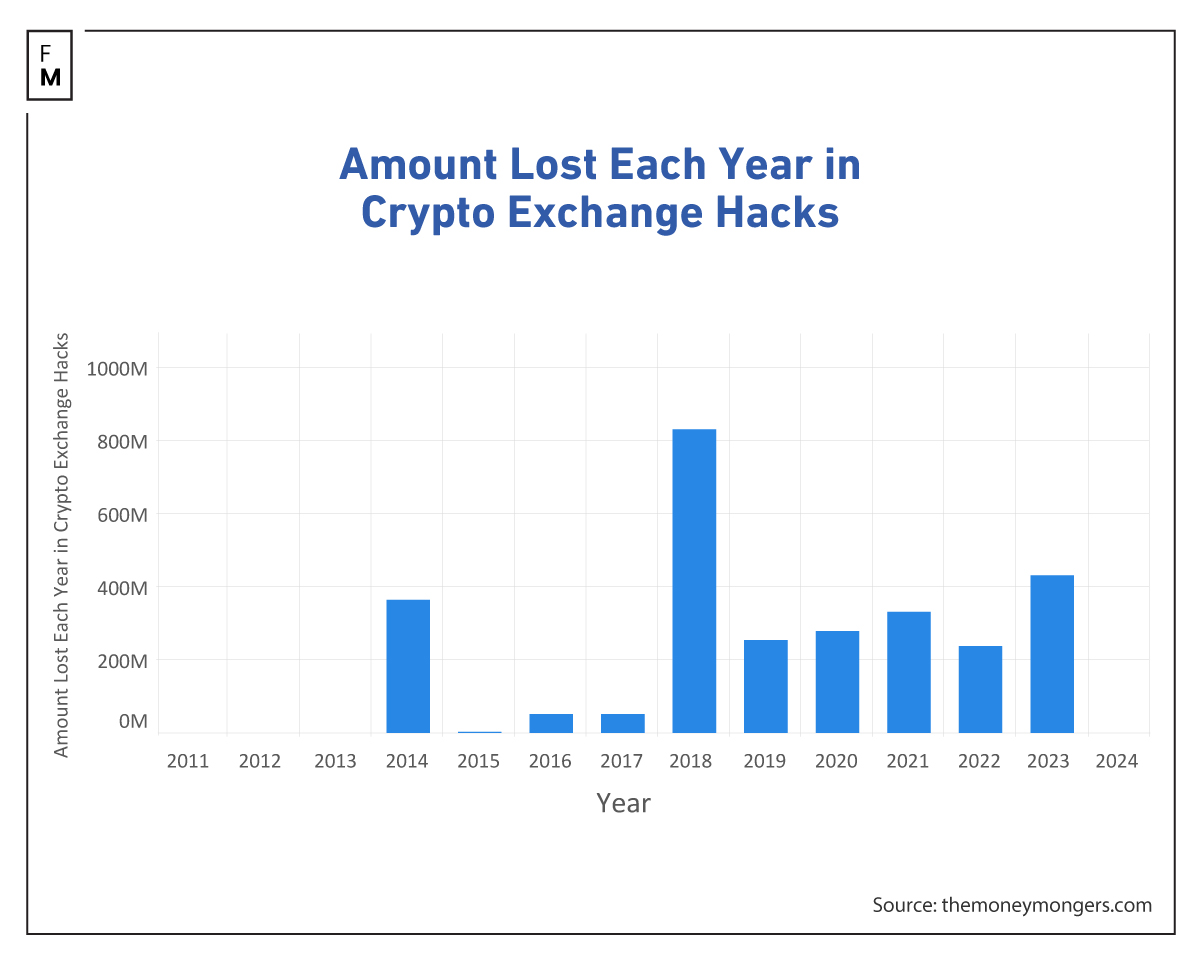
The impact of crypto hacks isn’t equally distributed among all cryptocurrencies. Bitcoin and Ethereum have experienced most of these attacks, with 1,454,762 BTC and 1,175,082 ETH lost to hacks since 2011. These losses amount to $40.27 billion and $1.93 billion, respectively, at current market prices.